
What to read to improve your SAT score
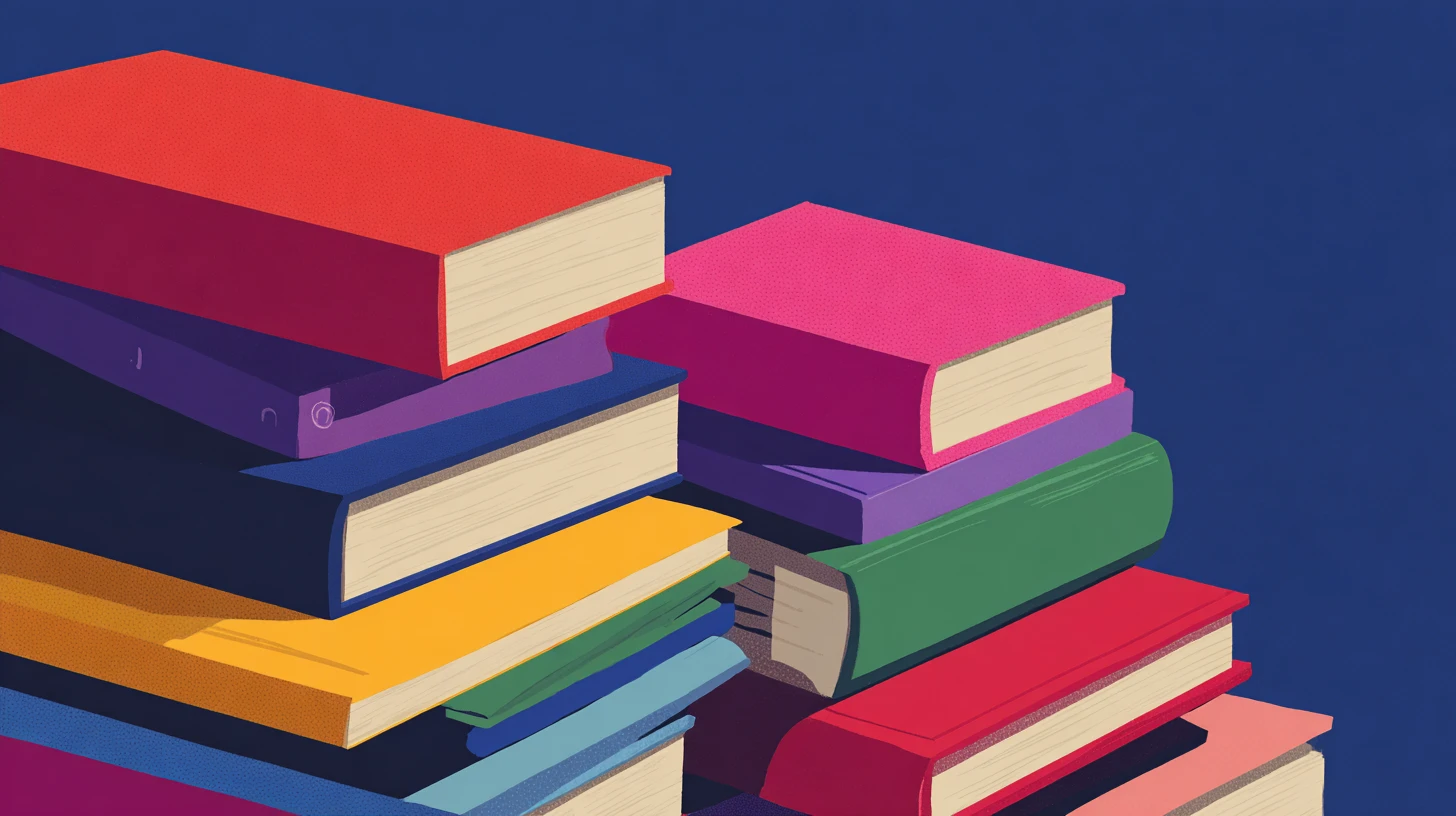
The most effective long-term investment in SAT Reading and Writing performance is reading. Books, articles, and essays build the comprehension and vocabulary that the test rewards in ways that targeted prep alone can't.
This isn't a quick fix. A student who reads throughout high school will be in a different position by junior year than one who starts months before the test. But even a few months of consistent reading before test day helps. We've written about using freshman summer for this kind of reading.
The most important thing is reading something. A student who devours three books about marine biology over the summer has done more for their reading skills than one who skims a classic novel they were told would help on the SAT. Start with what's interesting.
Why reading helps
The SAT's Reading and Writing section tests skills that are built over years, not weeks.
Comprehension of complex prose. SAT passages are drawn from published works in literature, history, social science, and natural science. Comfort with dense, multi-layered text means processing these passages faster and more accurately.
Vocabulary in context. The SAT doesn't test vocabulary through definitions. It asks how a word is used in a specific passage. Words like "undermine" and "ambivalent" are much easier to recognize on the test when you've encountered them in context through reading. We've written about how the SAT tests vocabulary.
Reading speed and stamina. The SAT gives about 70 seconds per Reading and Writing question, which includes reading a short passage and answering a question about it. Regular readers process text faster, which leaves more time for thinking about the answer.
Familiarity with different writing styles. SAT passages range from 18th-century essays to modern scientific writing. Exposure to a variety of styles, even casually, reduces the friction of encountering unfamiliar prose on test day.
What to read based on interests
Classics and literary fiction
These are ordered by popularity among high school readers, based on Goodreads data. Start wherever something catches your eye.
- To Kill a Mockingbird by Harper Lee. Race, justice, and childhood in the American South
- 1984 by George Orwell. Totalitarianism, surveillance, and language as control
- The Great Gatsby by F. Scott Fitzgerald. Wealth and disillusionment in 1920s America
- Lord of the Flies by William Golding. Human nature under pressure, told through allegory
- Fahrenheit 451 by Ray Bradbury. A future where books are banned. Vivid, poetic prose
- Pride and Prejudice by Jane Austen. Builds comfort with older English prose styles that appear on the SAT
- Frankenstein by Mary Shelley. Science, responsibility, and what it means to be human
- Brave New World by Aldous Huxley. A society engineered for pleasure at the cost of freedom
The 101 Great Books Recommended for College-Bound Readers list on Goodreads has more options. Contemporary fiction works too. The point is sustained, engaged reading.
Science and technology
- Scientific American (magazine). Accessible science writing for a general audience, covering topics similar to what appears in SAT science passages
- What If? by Randall Munroe. Scientific answers to absurd hypothetical questions, written with humor and precision. A good entry point for reluctant nonfiction readers
- A Short History of Nearly Everything by Bill Bryson. One of the most popular science books ever written, covering physics, chemistry, geology, and biology in clear, entertaining prose
- Sapiens by Yuval Noah Harari. A sweeping history of humanity through a scientific lens, with analytical prose similar to SAT social science passages
- Ender's Game by Orson Scott Card. Strategy, psychology, and science fiction in a fast-paced story
History and modern events
- The Economist (magazine). Global affairs, economics, and policy written in precise, analytical prose. The tone closely mirrors many SAT nonfiction passages
- The New York Times opinion section. Persuasive essays on current events that build familiarity with argument structure
- The Atlantic (magazine). Long-form essays on culture, politics, technology, and ideas
- Gulliver's Travels by Jonathan Swift. Satire with political themes, and a favorite source for SAT-style literary passages
- Guns, Germs, and Steel by Jared Diamond. Why some civilizations rose and others didn't, told through geography, agriculture, and technology
Psychology and social science
- The New Yorker (magazine). Long-form essays and profiles on psychology, culture, and social phenomena
- Thinking, Fast and Slow by Daniel Kahneman. How people make decisions, full of the kind of analytical reasoning SAT passages test
- Outliers by Malcolm Gladwell. Success, culture, and opportunity, written in clear analytical prose
- Quiet by Susan Cain. Introversion and personality
- Freakonomics by Steven Levitt and Stephen Dubner. Economics applied to everyday life
If reading feels like a chore
Start small. One or two articles a day from any of the publications listed above builds familiarity with the kind of prose the SAT uses, without requiring a major time commitment. Even reading about topics you already care about, whether that's sports, music, gaming, or fashion, builds comprehension if the writing is substantive.
For students who want something gripping, Stephen King's novels, like The Shining or Misery, build reading stamina through sheer momentum. The Hobbit works the same way for fantasy readers. The prose is contemporary rather than SAT-typical, but a student who finishes a book they chose is better off than one who abandons a classic they didn't want to read.
The goal is to build a habit, not to check items off a list.
How to get more out of reading
Reading passively still helps, but a few habits make it more productive.
Look up unfamiliar words. Not every one, but enough to build vocabulary over time. The goal is to notice when a word is used in a way that's new and to internalize it through context rather than memorization.
Summarize what you read. After finishing a chapter or article, try putting the main point in one sentence, either written down or described out loud to someone. SAT questions often ask about the main idea or purpose of a passage, and this habit builds that skill. If you can explain what you just read to another person, you understood it.
Re-read what's confusing. The instinct is to skip past dense or unclear passages. Slowing down and working through those sections builds exactly the skill the SAT tests. Getting comfortable with confusion is part of the process.
Take notes and ask questions. Writing a brief reaction in the margins or in a notebook forces engagement with the material. It doesn't need to be formal. "Disagrees with earlier point about X" or "why did the author use this example instead of a more obvious one?" is enough.
Reading widely helps most alongside practice on real SAT passages.
SAT Tutor & Co-founder
Kim scored a perfect 1600 on the SAT, graduated summa cum laude from Dartmouth, and founded Sharp after years of tutoring students into top colleges.
Frequently Asked Questions
How long before the SAT should I start reading more?
As early as possible. Reading comprehension builds over months and years, not weeks. Starting freshman or sophomore year gives the most benefit. Even starting a few months before the test helps, but the gains will be smaller than with a longer runway.
Can reading replace SAT prep?
No. Reading builds the underlying skills, but SAT prep teaches the specific question types, pacing, and test strategies that translate those skills into a score. The strongest results come from doing both. Read our guide to getting started with SAT prep at https://getsharp.app/blog/how-to-get-started-with-sat-prep.
What if I hate reading?
Start with what you're interested in. If you like sports, read long-form sports journalism. If you like science, try Scientific American. If you like stories but not books, try short stories or graphic novels with substantial text. The format matters less than the habit of engaging with well-written text regularly.
Are audiobooks helpful for SAT prep?
Audiobooks build familiarity with vocabulary and narrative structure, but they don't build the specific reading comprehension skills the SAT tests, which require processing written text visually. Audiobooks are better than nothing, but reading the text is more directly beneficial.
Does reading on a phone or tablet count?
Yes. The SAT is a digital test, so reading on a device is good practice for processing text in that format. What matters is the quality of the writing, not the medium.
What are the best books to read for SAT prep?
There's no single best list. The books and publications in this post are organized by interest so you can start with what appeals to you. The 101 Great Books Recommended for College-Bound Readers list on Goodreads and the College Board's recommended reading list are also good starting points.